
Leading Demolition Tools and Machinery for Professional Service
Get insights into the most trusted equipment that supports large-scale and precise demolition projects.
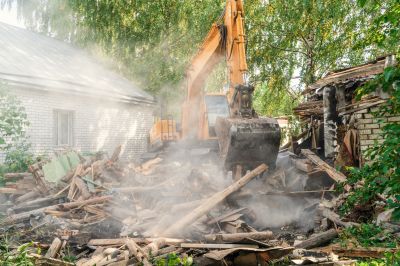 Demolition services in Fairbanks, AK, require a diverse array of tools and equipment to safely and effectively carry out projects ranging from small interior tear-outs to large-scale structural demolitions. Selecting the right products is essential for efficiency, safety, and precision. In this context, understanding the different types of demolition tools available can help contractors and DIY enthusiasts make informed decisions tailored to their specific needs. Whether working on residential, commercial, or industrial sites, having reliable and versatile equipment can significantly impact the success of a demolition project.
Top Overall Option
Heavy-Duty Demolition Hammer
A versatile demolition hammer designed for breaking concrete, brick, and other hard materials, offering powerful performance and durability. It features ergonomic design for extended use and includes safety features to protect operators during demanding tasks.
Types of Products For Demolition Service
Handheld Demolition Hammers
Portable tools suited for breaking up concrete, masonry, and other materials in confined spaces or detailed work.
Rotary Demolition Attachments
Heavy-duty attachments compatible with rotary drills or excavators for breaking through tough materials.
Hydraulic Breakers
Hydraulic-powered tools ideal for larger demolition projects, offering high impact force for breaking concrete and rock.
Wrecking Balls
Large, heavy balls used in traditional demolition to topple structures or large sections of buildings.
Concrete Saws
Specialized saws designed for cutting through concrete, asphalt, and other hard surfaces with precision.
Dust Suppression Systems
Equipment designed to minimize dust during demolition, improving safety and visibility on site.
Safety Barriers and Shields
Protective barriers to secure the work area and shields to safeguard workers from debris.
Debris Removal Equipment
Tools like wheel loaders and dumpsters to facilitate efficient debris collection and disposal.
Explosive Demolition Supplies
Controlled demolition materials used in specialized projects requiring precise implosions.
Scaffolding and Ladders
Access equipment to reach high or difficult areas safely during demolition work.
Vibratory Plate Compactors
Equipment used to compact soil or debris post-demolition for site preparation.
Popular Choices
Wireless tools offering mobility and ease of use for various demolition tasks.
Electric-powered tools suitable for breaking concrete and asphalt with manageable weight.
Portable hydraulic breakers powered by gas engines, ideal for outdoor demolition projects.
Versatile drills capable of drilling and light demolition work in concrete and masonry.
High-performance saws equipped with diamond blades for cutting through tough materials.
Protective equipment essential for ensuring safety during demolition activities.
Devices designed to capture dust at the source, maintaining a cleaner work environment.
Portable units to power hydraulic demolition tools on-site.
Shoring and bracing products to stabilize structures during partial demolitions.
Machines designed to crush concrete debris into manageable pieces for removal or recycling.
The process of demolition often involves various stages, including planning, site preparation, actual tearing down, and debris removal. Each phase may necessitate specialized tools, such as handheld power tools, heavy machinery attachments, or safety equipment. Proper selection of these products ensures that projects proceed smoothly, with minimized risk of accidents or damage. Additionally, considering the unique demands of the location, such as the climate in Fairbanks or the type of structure involved, can influence the choice of equipment.
Investing in quality demolition products also entails paying attention to durability, ease of use, and compatibility with other tools. For instance, certain attachments or accessories may enhance the capabilities of existing machinery, making tasks more manageable and precise. Safety features, ergonomic design, and maintenance requirements are also important factors that contribute to overall project success. By understanding the variety of available products and their specific applications, professionals can optimize their workflows and achieve better results.
In summary, the right selection of demolition tools and equipment is crucial for completing projects efficiently and safely in Fairbanks, AK. From handheld tools to heavy-duty machinery attachments, a wide range of options exists to suit various project sizes and complexities. Proper planning and informed choices can help ensure that demolition tasks are carried out effectively, with the safety of workers and the integrity of the structure in mind.
Key Buying Considerations
- Project scale and scope to determine the appropriate size and power of tools needed.
- Material types involved, such as concrete, brick, or metal, influencing tool selection.
- Power source preferences, including electric, gas, or battery-operated equipment.
- Safety features like anti-vibration, ergonomic design, and safety guards to protect users.
- Durability and build quality to withstand demanding demolition environments.
- Ease of maintenance and availability of replacement parts.
- Compatibility with existing equipment or attachments for versatility.
- Weight and portability, especially for handheld tools used in confined spaces.
- Noise levels and vibration to ensure compliance with safety standards and comfort.
- Site-specific considerations like access, space constraints, and environmental conditions.
- Budget constraints balanced with quality and performance requirements.
- Availability of training or user manuals for complex machinery.
- Regulatory compliance and safety standards relevant to demolition activities.
- Debris management capabilities to facilitate cleanup and site readiness.
- Additional safety accessories such as gloves, goggles, and hearing protection.